Structured Data and Schema Markup: The SEO Technique Most Small Websites Skip

Schema markup sounds intimidating a technical-sounding term that many website owners assume requires deep coding knowledge. In reality, basic implementation is far more accessible than most people expect, and the potential benefits for visibility in search results are significant.
What Schema Markup Actually Is
Schema markup is a standardised code vocabulary that you add to your website's HTML to explicitly tell search engines what different pieces of content mean not just what they say, but what they represent.
Without schema, search engines have to infer meaning from context. With schema, you're explicitly labelling: "this number is a price," "this is a customer review with a 4.5-star rating," "this is a recipe with a 30-minute cook time," "this is a frequently asked question with this specific answer."
Why This Matters for Your Search Visibility
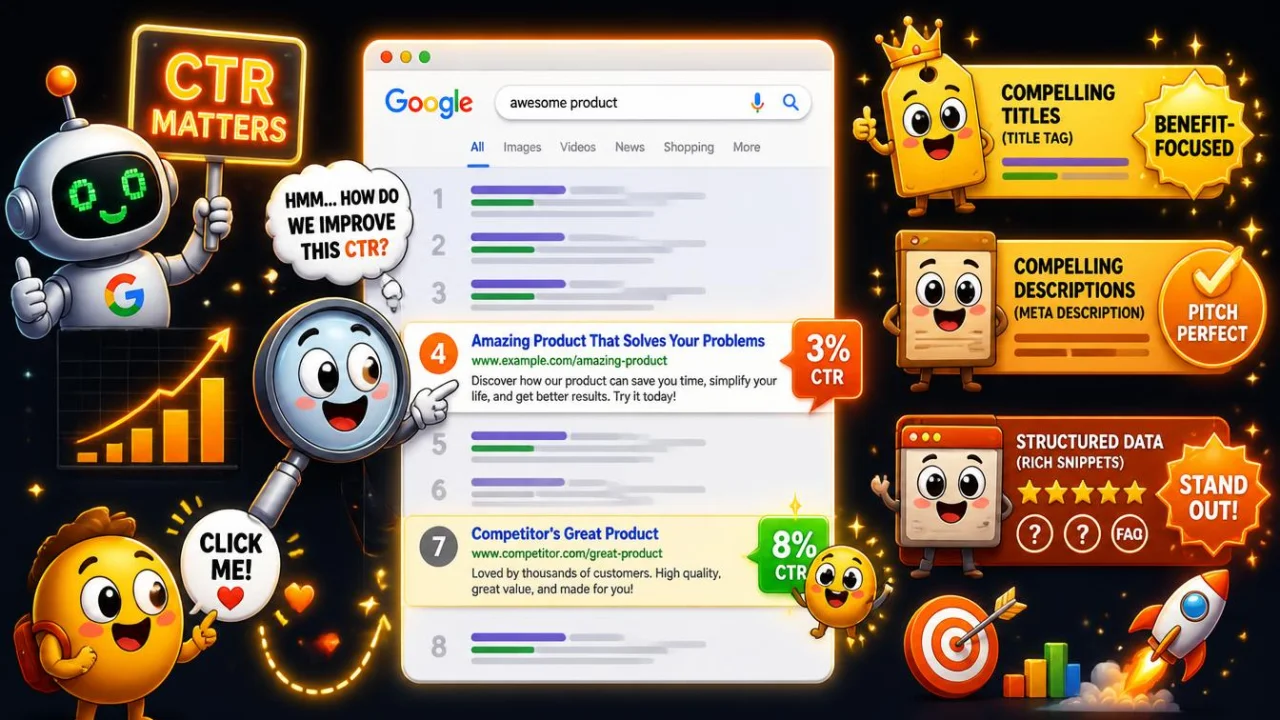
Properly implemented schema markup can enable rich results enhanced search listings that stand out visually from standard blue-link results. These include star ratings displayed directly in search results, FAQ dropdowns that expand within the search listing itself, recipe cards showing cook time and ratings, and event listings with dates and locations visible before the click.
Rich results occupy more visual space in search results and tend to attract significantly higher click-through rates than standard listings at the same ranking position connecting directly back to the CTR principles covered in a related guide.
The Most Valuable Schema Types for Most Websites
Article Schema Marks up blog posts and articles with structured information about the author, publish date, and headline. Helps search engines understand and potentially feature your content appropriately.
FAQ Schema If your content includes a genuine question-and-answer section, FAQ schema can display these questions directly within your search result, expandable without even clicking through significantly increasing your listing's visual footprint in search results.
Review Schema If you're displaying customer reviews or ratings, review schema can surface star ratings directly in search results one of the most visually attention-grabbing rich result types available.
Breadcrumb Schema Displays your site's navigation path (Home > Category > Page) within search results instead of a raw URL, improving both clarity and click appeal.
Organization Schema Provides search engines with clear information about your business name, logo, contact details, social profiles supporting your overall brand presence in search results and knowledge panels.
How to Implement Schema Without Deep Coding Knowledge
Option 1: WordPress SEO plugins If your site runs on WordPress, plugins like Yoast SEO or Rank Math include built-in schema markup generation for articles, FAQs, and other common types. Much of the implementation happens automatically once configured.
Option 2: Google's Structured Data Markup Helper Google provides a free tool where you highlight elements on your page and select what they represent (price, review, date, etc.). The tool generates the appropriate schema code for you to add to your page.
Option 3: Schema markup generators Various free online schema generator tools let you fill out a simple form for your specific content type (article, FAQ, product, etc.) and generate the correct code to paste into your page's HTML.
Testing Your Schema Implementation
After adding schema markup, always verify it's correctly implemented using Google's Rich Results Test tool. Paste in your URL, and the tool will show exactly what rich result types Google has detected and whether there are any errors preventing proper recognition.
This verification step is essential incorrectly implemented schema either provides no benefit or, in some cases, can create confusing signals about your content.
Realistic Expectations
Schema markup doesn't directly boost your rankings it's not a ranking factor in the traditional sense. Its value lies in improving how your existing ranking position is presented and how likely searchers are to click through. For content that's already ranking reasonably well, adding appropriate schema markup is one of the more reliable ways to meaningfully improve click-through rate without changing your actual ranking position.
Where to Start
If you're new to schema markup, start with FAQ schema on any content that includes genuine question-and-answer sections, and Article schema across your blog content generally. These two types offer strong potential benefit relative to their implementation complexity, making them the most practical starting point for most websites.